Drug therapy center middlesex
A drug therapy center Middlesex families ask about is on Cedar Avenue. SAMHSA's listings show 330 New Jersey treatment facilities as of November 2026. This page shares the center's published details only.
- Residential Rehab
- Co-Occurring Mental Health
- 120 days
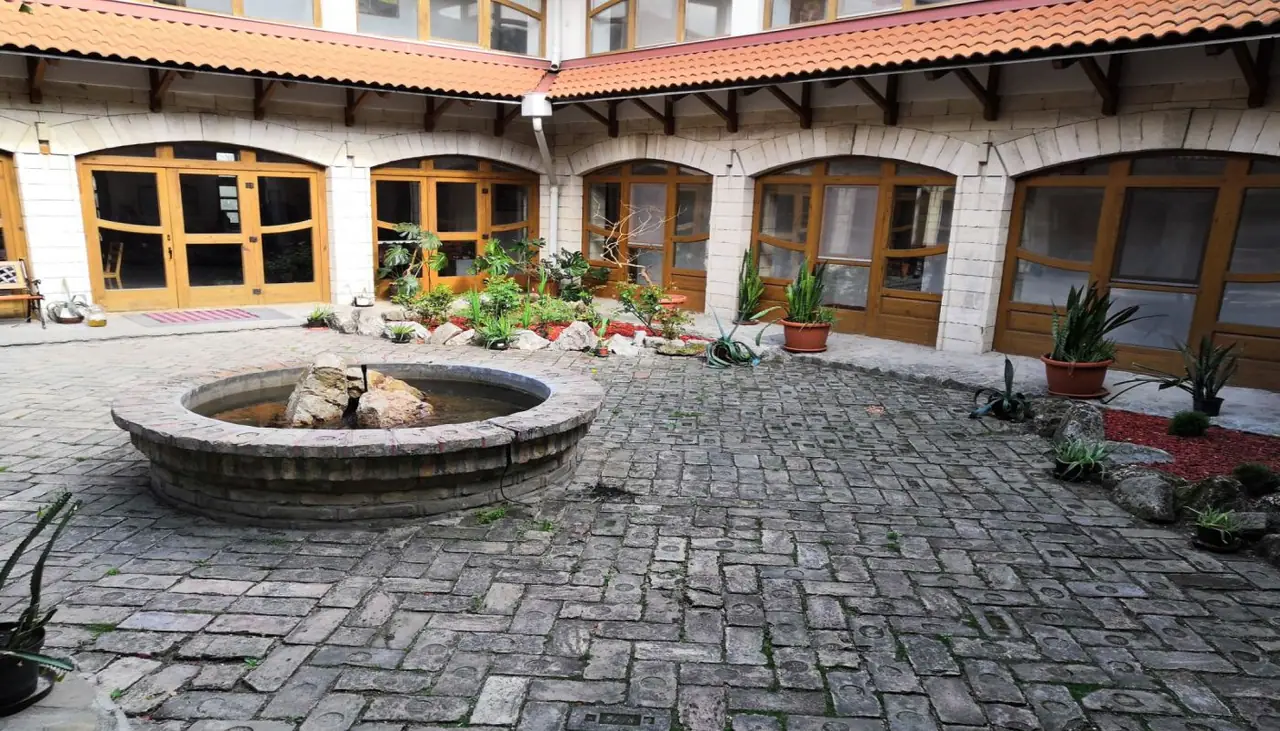
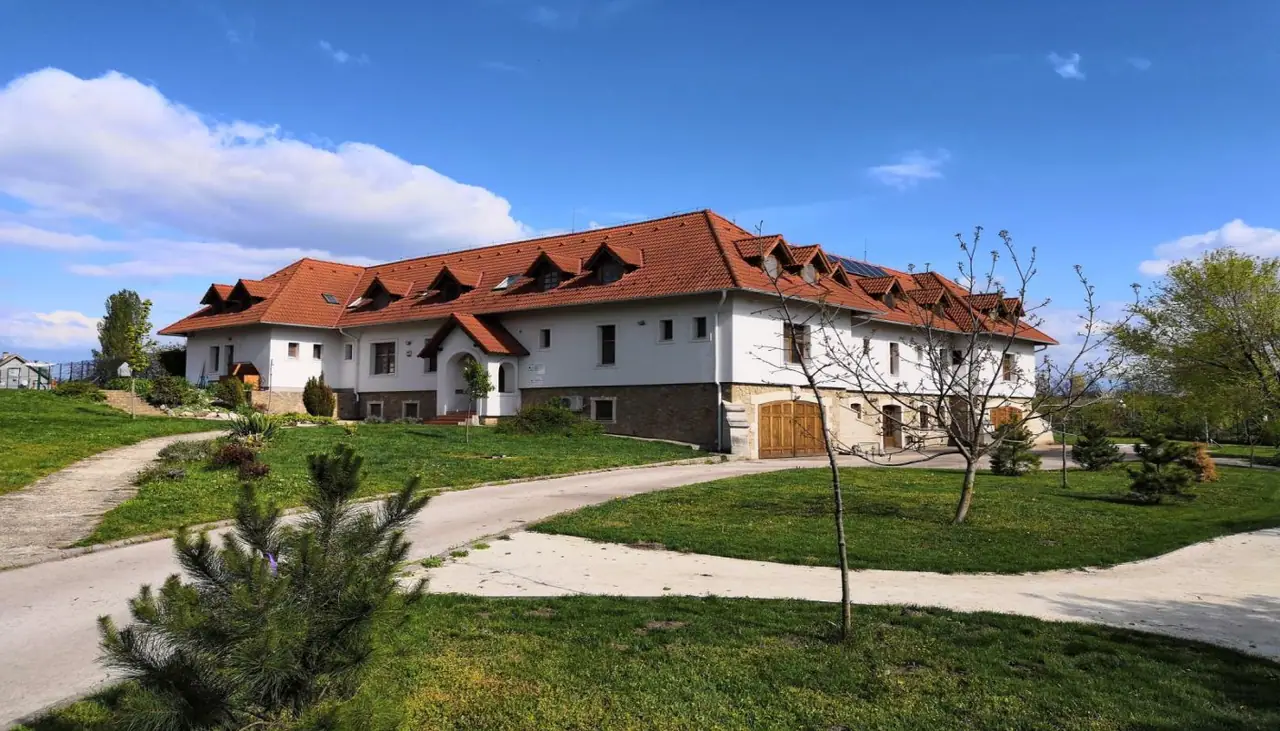
Operating as a therapeutic community since 1986, this residential site sits in Middlesex, New Jersey. According to its published account, the work grew out of an effort launched by a Hungarian pastor in a modest farmhouse, and it now occupies two contemporary building complexes. Adults live in one and adolescents and young adults in the other, so confirm which building fits the person you are asking about at this New Jersey center. The center says it aims at a drug-free way of life that supports itself, not merely a drug-free setting. Positive psychology and Christian values shape the method, with love, respect and acceptance as core principles. Mental health conditions that exist alongside substance use are listed as treated, meaning depression, anxiety, trauma and codependency get attention together with drinking or drug use.
Much of the program's shape comes from its daily structure. Group sessions open the morning at 7:30 a.m., followed by three to five hours spent on tasks in the house and garden. Seminars fill the afternoon, and self-reflective groups close the evening. Lights out is at 11:30 p.m. Devotions in the evening, Sunday worship and a Bible study each week form part of this New Jersey program's weekly pattern. As the center's own description puts it, faith is an option extended to clients rather than something required of them.
Care levels at this drug therapy center
According to the center's SAMHSA listing, its care options are residential rehab and co-occurring disorders, and a typical stay runs 120 days. Many short-term residential programs are shorter than that, so planning around a four-month block of residential care in New Jersey is necessary for work or school leave. Counseling includes individual sessions, psychoeducation, relapse prevention and solution-focused, goal-oriented work, plus art therapy, expressive arts, experiential therapy and life skills training. Spiritual care completes the list.
It helps to ask about level of care early in the admissions process. Until a clinician assesses how severe a person's drinking is, neither the center nor the helpline can say whether residential care is the right fit without that information. Alcohol withdrawal may turn dangerous, at times within hours of a final drink, so a clinical team should oversee it instead of relying on willpower at home. The same warning holds for benzodiazepines, which the center lists among the substances it treats.
- Experiential Therapy
- Art Therapy
- Expressive Arts
- Psychoeducation
- Holistic
- Relapse Prevention Counseling
- 1-on-1 Counseling
- Life Skills
- Solution Focused, Goal-Oriented Therapy
- Spiritual Care
Who should consider this program
- Adolescents and young adults, with a separate building complex described for ages 10 to 18
- Adults in the 18 to 35 range, housed in the second complex
- Men and women seeking residential care
- People with alcohol use disorder, including those who also use benzodiazepines, opioids, cocaine, heroin, methamphetamine or marijuana
- People with co-occurring anxiety, depression, trauma or codependency
- Those open to a program with a spiritual emphasis, with faith presented as optional
Program length, where you stay, languages
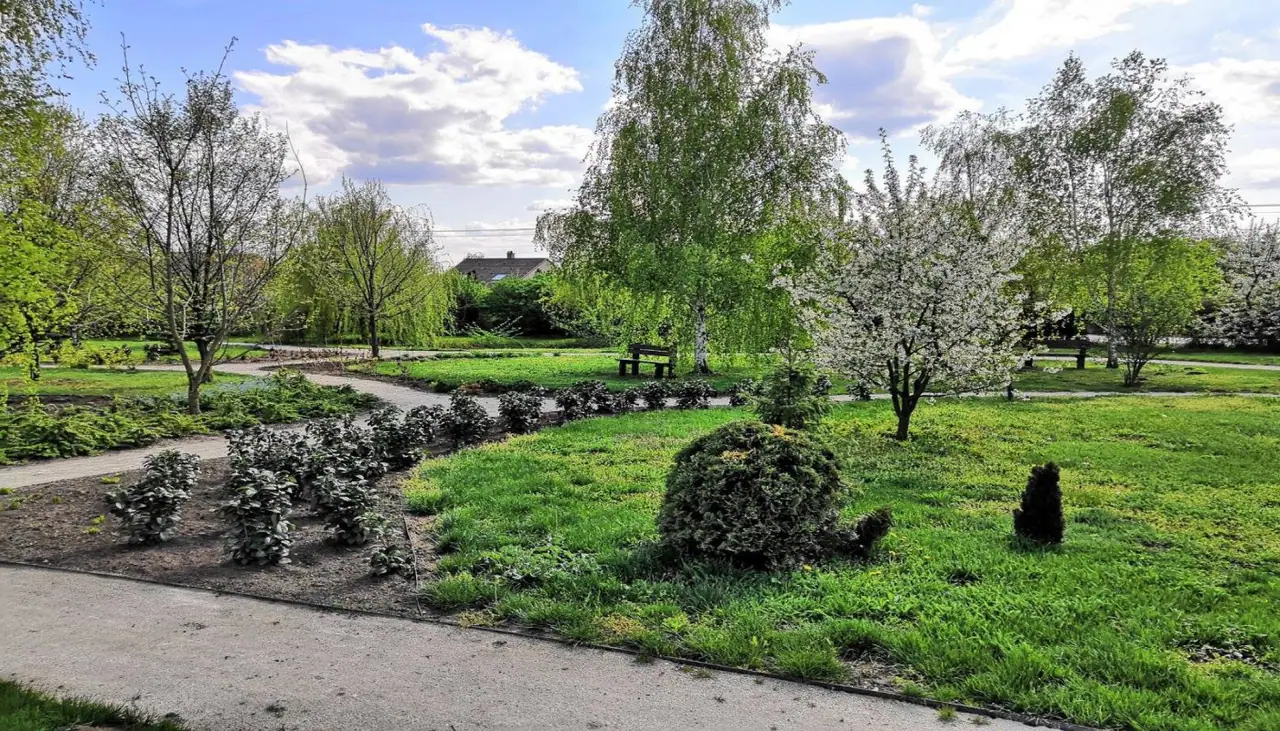
The residential program is structured, has 31 to 50 beds, a usual stay of 120 days, and a daily schedule that occupies most waking hours. Rooms may be private or shared and include air conditioning. Outside are gardens, an outdoor lounge, walking paths and nearby nature; the center's materials mention summer biking and canoeing, a nomadic camping excursion and a spiritual week for young adults. Fitness activities and AA or NA meetings, including alternative meetings, appear on the schedule. The language listed is Hungarian, so ask early whether English-language sessions are available.
- Gardens
- Access to Nature
- Outdoor Lounge
- Walking Trails
Covering the cost of care here
Payment information is not published in the center's listing, so ask about costs by phone instead of guessing. Trained advisors answer the helpline and link callers with licensed providers; the service is free and completely confidential. Ask the center directly about insurance panels and whether it takes New Jersey Medicaid; state Medicaid coverage varies by program, and only the center can confirm what it accepts. Verify benefits before you commit to anything.
Ask these before admission in Middlesex
- Which building complex is right for this person's age, and how is a typical day structured there?
- Is English spoken in groups and counseling sessions, or is Hungarian the working language?
- How is alcohol or benzodiazepine withdrawal handled, and who provides medical oversight during it?
- What does the 120-day program cost, and does the center accept my insurance or New Jersey Medicaid?
- How do the online aftercare, outpatient treatment and support meetings work after discharge?
More facilities to weigh
-
Merchantville, NJTypical stay 30 days16-30 beds
- Outpatient
Recovery Unplugged New Jersey is an outpatient center in Merchantville.
-
Egg Harbor Township, NJTypical stay 28 days16-30 beds
- Detox
Crossroads Recovery in Egg Harbor Township provides detox and a 28-day program for men and women.
-
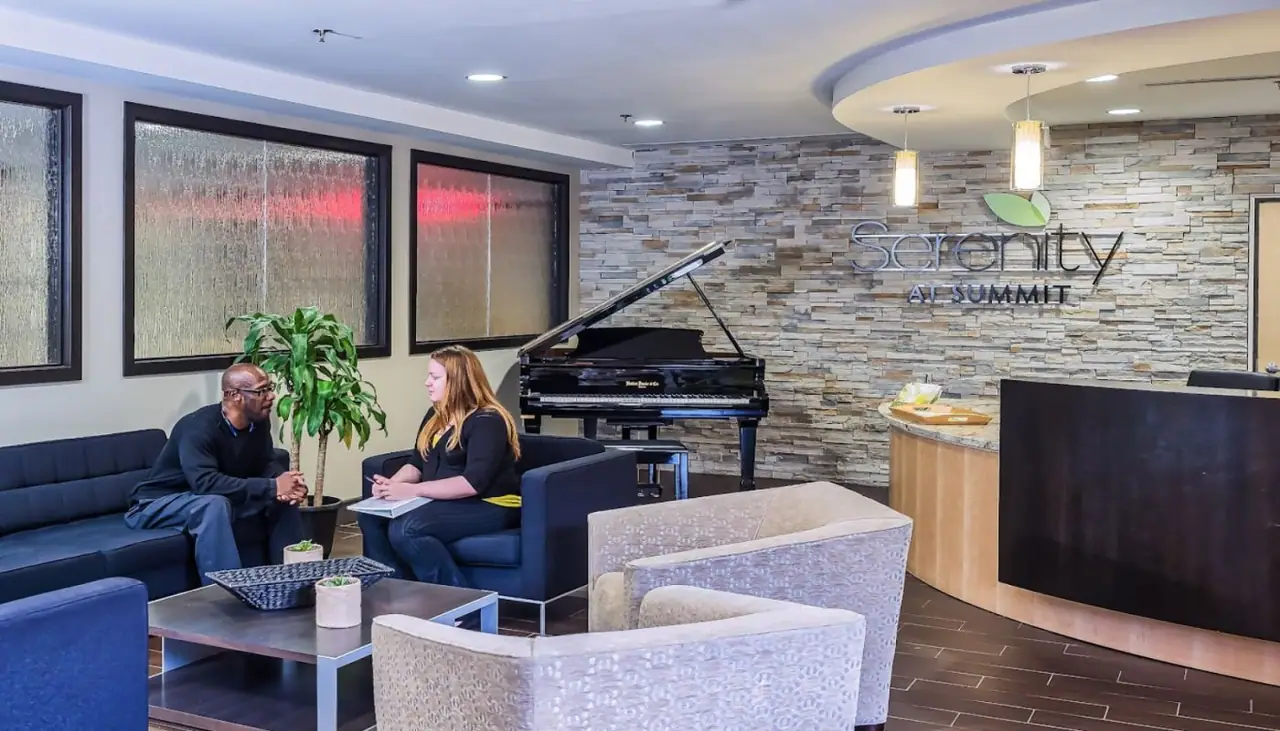
Union, NJTypical stay 30 days
- Co-Occurring Mental Health
- Detox
Serenity at Summit New Jersey Union is a Joint Commission-accredited behavioral health center in Union.
-
Cherry Hill, NJTypical stay 10 days16-30 beds
- Co-Occurring Mental Health
- Detox
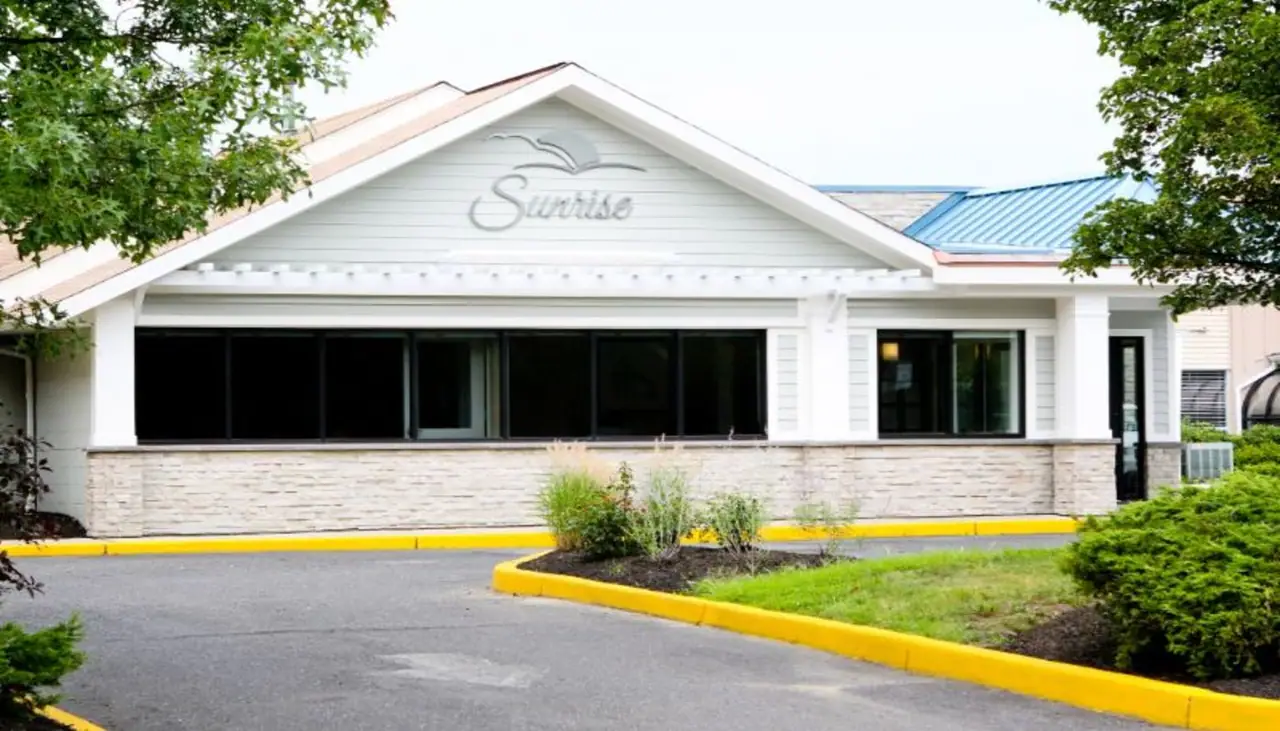
On Brace Road in Cherry Hill sits Sunrise Detox Cherry Hill, a center for medical detox.
-
Pindari House
2.7/57 reviews on Google
Toms River, NJTypical stay 30 days
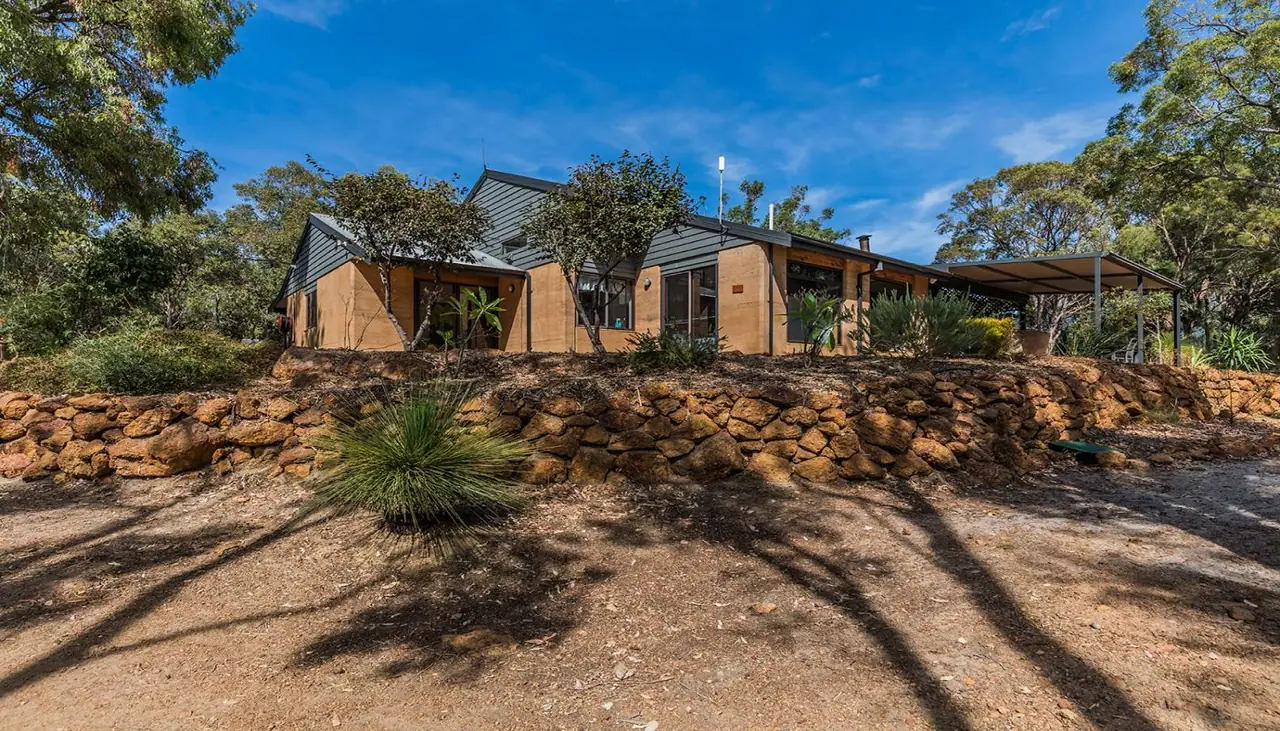
Pindari House Toms River is a men's rehab in New Jersey.
-
Cherry Hill, NJTypical stay 30 days31-50 beds
- Detox
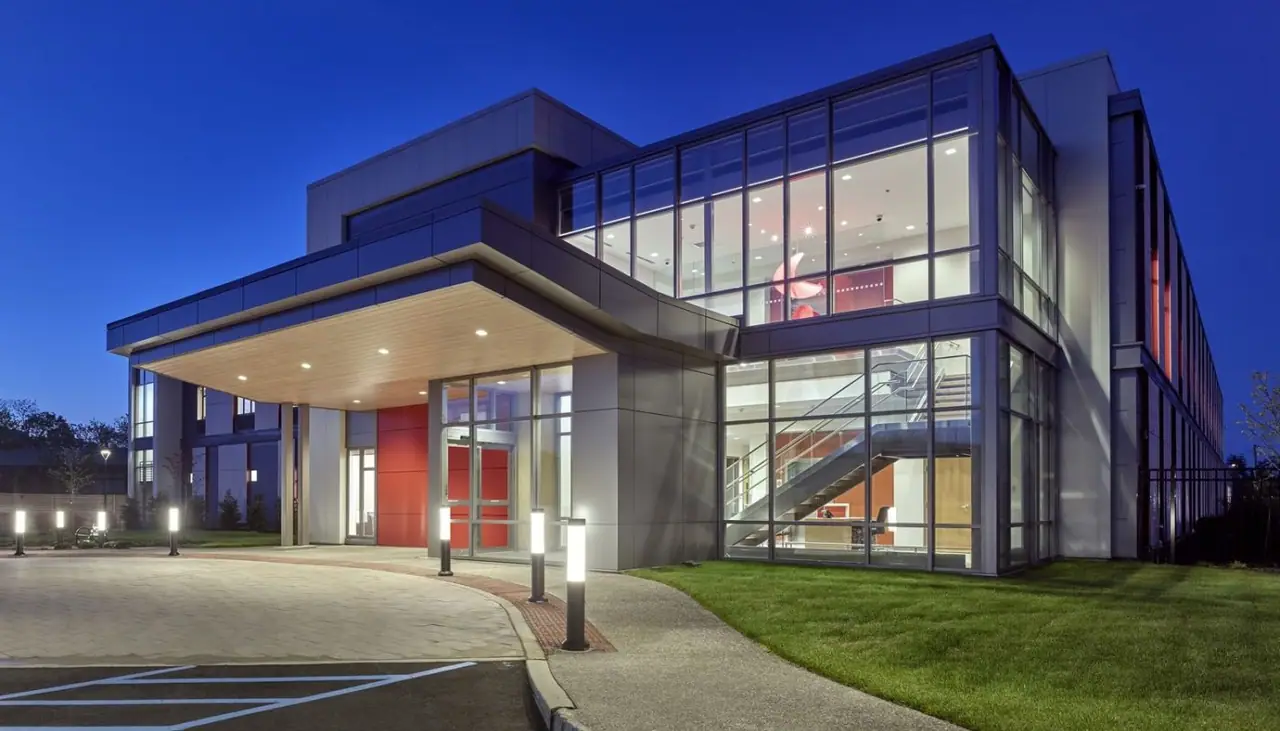
The Recovery Village Cherry Hill carries Joint Commission accreditation.

Common questions
How long is the program at this drug therapy center in Middlesex?
The listed typical program length is 120 days, roughly four months of residential care in a setting of 31 to 50 beds. That is longer than many short-term stays, so plan for work, school and family arrangements accordingly. Ask the center whether the length can be adjusted for individual circumstances, and confirm details before making any commitment.
Does this center treat alcohol withdrawal safely?
The center lists alcohol among the substances it treats and offers co-occurring disorders, but withdrawal itself should be overseen by a clinician. Alcohol and benzodiazepine withdrawal can become dangerous, sometimes within hours, so medical assessment comes before admission decisions. Ask the center who provides that oversight and how it fits the intake process.
Is this a faith-based rehab, and is faith required?
Christian practice shapes this program: devotions in the evening, worship on Sundays, a Bible study each week and prayer before meals. The center presents faith as an opportunity, not something imposed, which makes asking about religious participation reasonable. It is worth asking how much of the day is faith-based and what options exist for someone who would rather not take part.
How do I check insurance or Medicaid coverage for this center?
Call the helpline, where trained advisors connect callers with licensed providers at no cost and with no obligation, then check benefits directly with the center. Payment details do not appear in the listing, so ask about insurance panels and New Jersey Medicaid outright. SAMHSA listings nationwide show 330 New Jersey facilities, and coverage differs from program to program.